Tree Services
Trees Maintained for Health and Safety
Tree Services in Bridgewater for property hazard reduction, preservation, and recurring estate maintenance
Root systems weakened by drought, canopies unbalanced by storm damage, or limbs growing into utility lines all create liability concerns that proper pruning and health management address before failures occur. A&A Tree Service provides tree care across Bridgewater, New Milford, Washington, and Roxbury for residential estates requiring preservation of mature specimens and commercial properties where falling branches or diseased trees pose documented risks. Custom fertilization schedules and targeted pest control keep high-value trees vigorous through Connecticut's freeze-thaw cycles and summer heat stress.
Tree health assessments identify fungal infections, insect infestations, and structural weaknesses invisible from ground level but detectable through canopy inspection and root collar examination. Pruning removes deadwood, corrects weight distribution in unbalanced canopies, and clears branches from rooflines or power lines before ice loading or wind events force contact. Fertilization programs adjust soil pH and nutrient levels based on species requirements, with deep root feeding delivering minerals directly to active root zones rather than surface applications that wash away during rainfall.
Arrange a property evaluation to identify trees requiring immediate attention and establish a maintenance schedule that addresses seasonal risks.
What Proper Tree Care Requires
Effective tree management separates crown thinning, which reduces wind resistance by selectively removing interior branches, from crown raising, which eliminates low limbs to improve clearance over driveways or walkways. Each cut location affects how the tree compartmentalizes wounds and where new growth will emerge. A&A Tree Service follows ANSI A300 pruning standards that specify cut angles, branch collar preservation, and removal limits to prevent shock that weakens trees or invites pest colonization.
After pruning and treatment, you'll notice improved light penetration through the canopy, elimination of rubbing branches that create entry points for decay, and reduced likelihood of limb failure during storms. Properties with multiple mature trees benefit from staggered maintenance that addresses the most hazardous specimens first, then shifts to preservation work on healthy trees showing early signs of stress. Commercial sites gain documentation of hazard mitigation efforts that satisfy insurance requirements and demonstrate due diligence in liability management.
Fertilization timing depends on species and soil conditions, with spring applications supporting new growth and fall treatments strengthening root systems before winter dormancy. Spraying schedules for pest control target specific insect life cycles, such as treating for emerald ash borer during larval emergence or applying fungicides before spore release in wet spring conditions common throughout the region.
Answers to Frequent Tree Care Questions
Tree health and maintenance decisions often depend on understanding how pruning, fertilization, and pest management interact with seasonal conditions and long-term property goals.
- What does custom fertilization involve for estate trees
- Soil testing identifies nutrient deficiencies and pH imbalances, then deep root injection delivers chelated iron, nitrogen, and trace minerals directly to feeder roots at depths of eight to twelve inches below surface.
- How does pruning reduce storm damage risk?
- Removing co-dominant leaders, thinning dense canopies to allow wind passage, and cutting dead or weakly attached limbs reduces weight and wind resistance that cause breakage during high winds or ice accumulation.
- When should hazardous trees be addressed on commercial properties?
- Trees leaning toward parking areas, those with visible decay near the base, or specimens with large dead limbs over high-traffic zones require immediate assessment to document liability and determine whether removal or corrective pruning is necessary.
- What safety standards apply to tree work near structures?
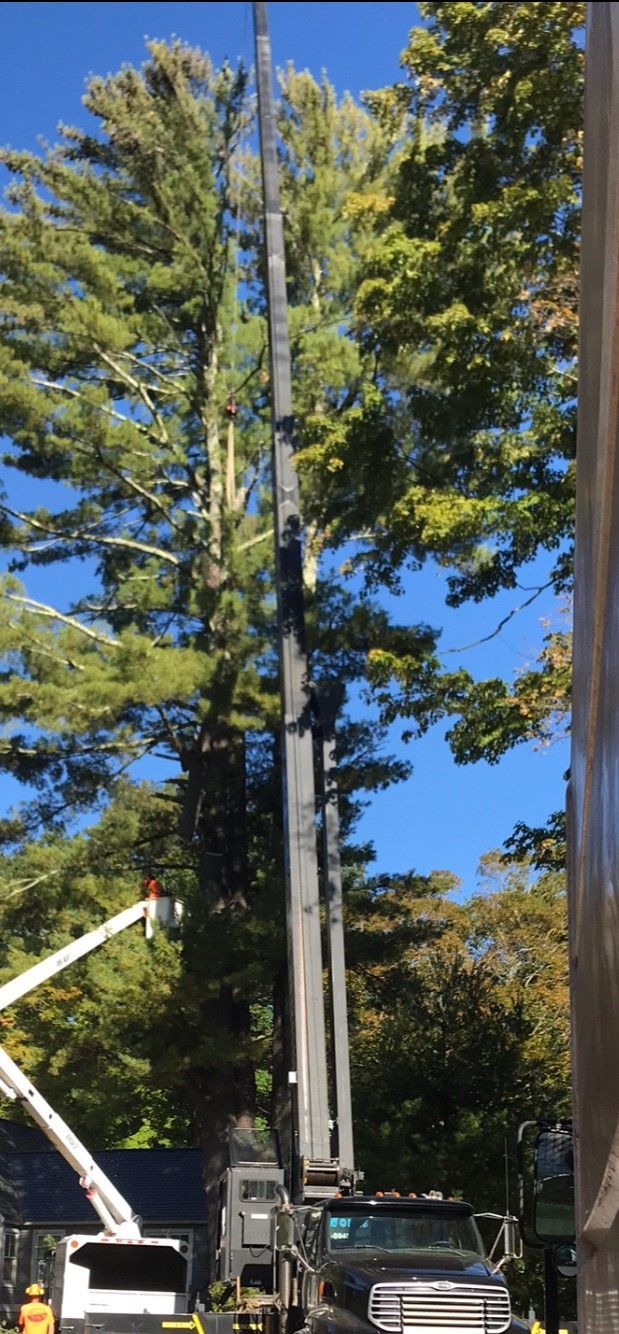
- Comprehensive liability insurance, fall protection equipment for climbers, and bucket truck operations that maintain clearance from power lines all reduce risk during work on trees overhanging buildings or utility infrastructure in New Milford and surrounding areas.
- How often do mature estate trees need maintenance?
- High-value specimens typically require inspection every two to three years, with pruning intervals based on growth rate, species characteristics, and whether prior storm damage or pest issues are present.
A&A Tree Service develops maintenance plans that prioritize hazard reduction while preserving tree health and aesthetic value across residential and commercial properties. Contact our team to schedule an assessment and receive a detailed care plan based on your property's specific tree inventory and risk factors.